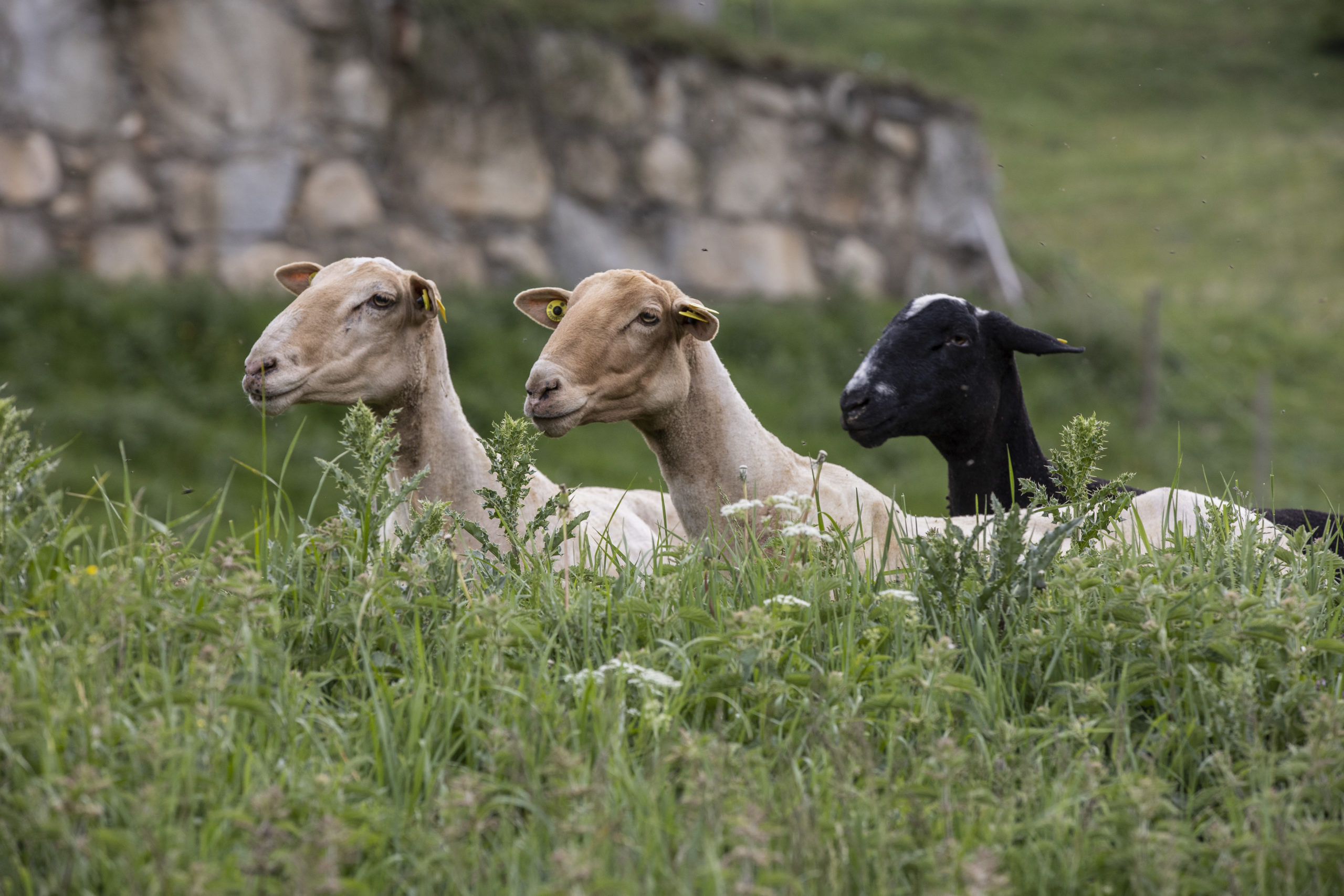
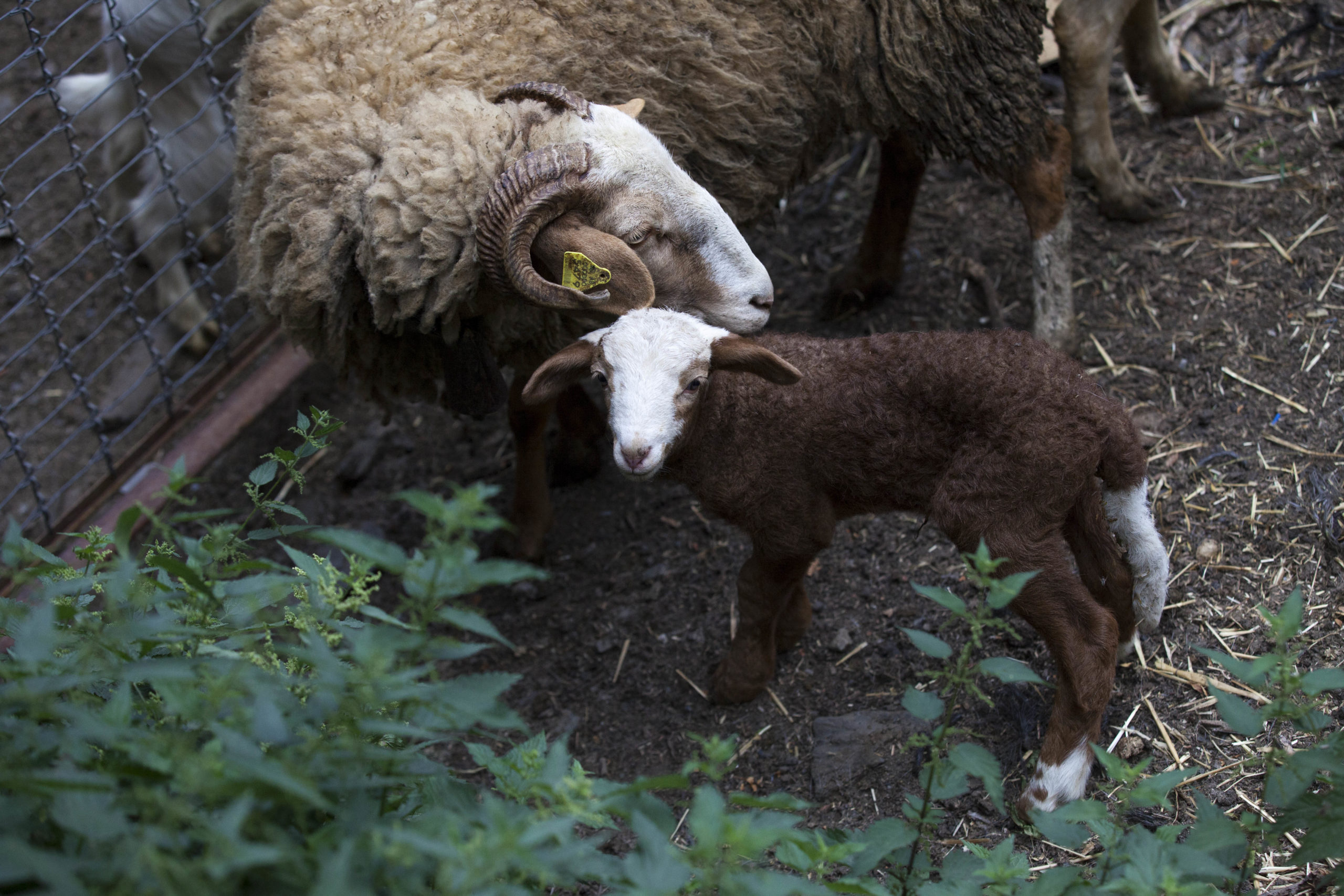
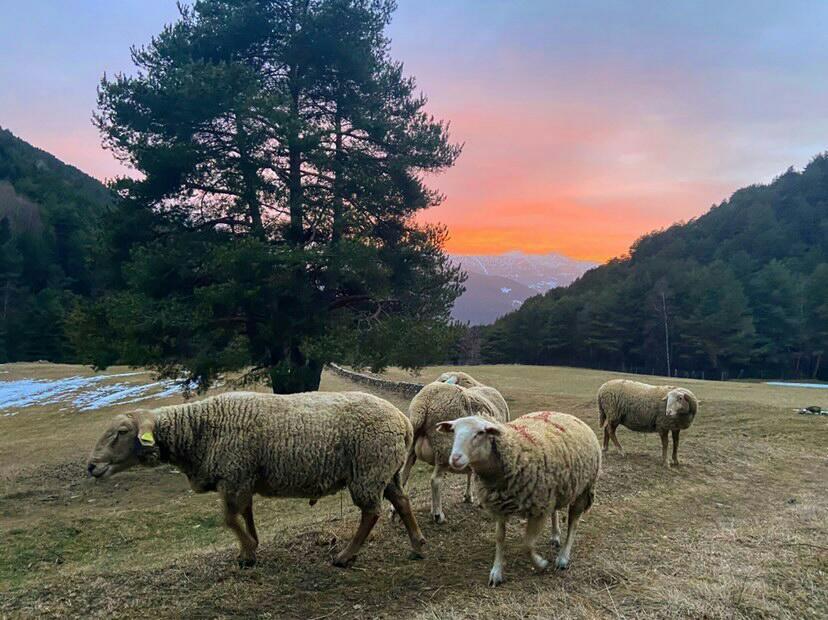
We collaborate with about thirty Andorran and Alt Urgell families who are making the effort to preserve a small flock of Barbarina sheep. The Barbarina sheep is the “Rouge du Roussillon.” It is a traditional breed in Andorra since the 19th century.
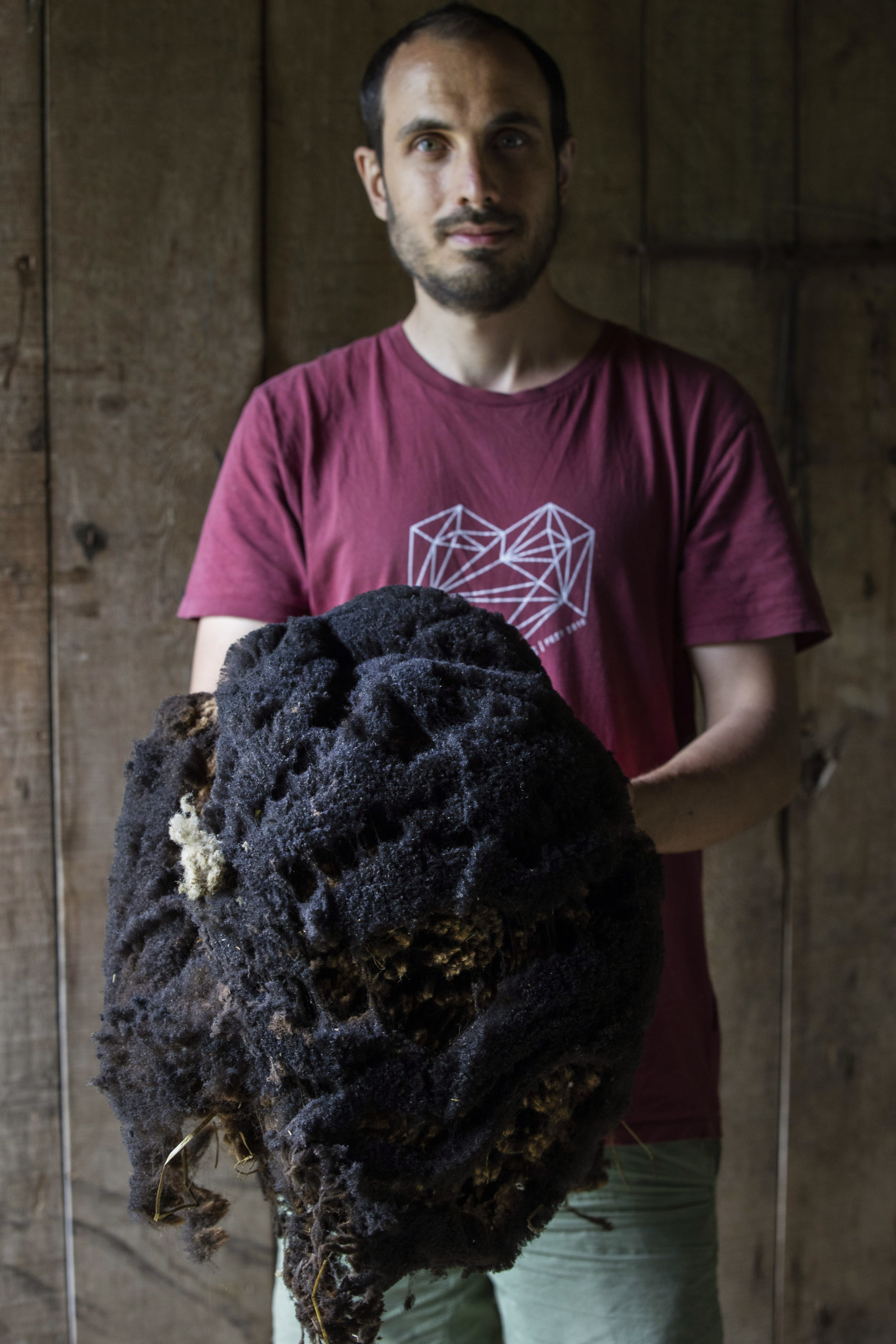
The wool of the Andorran sheep
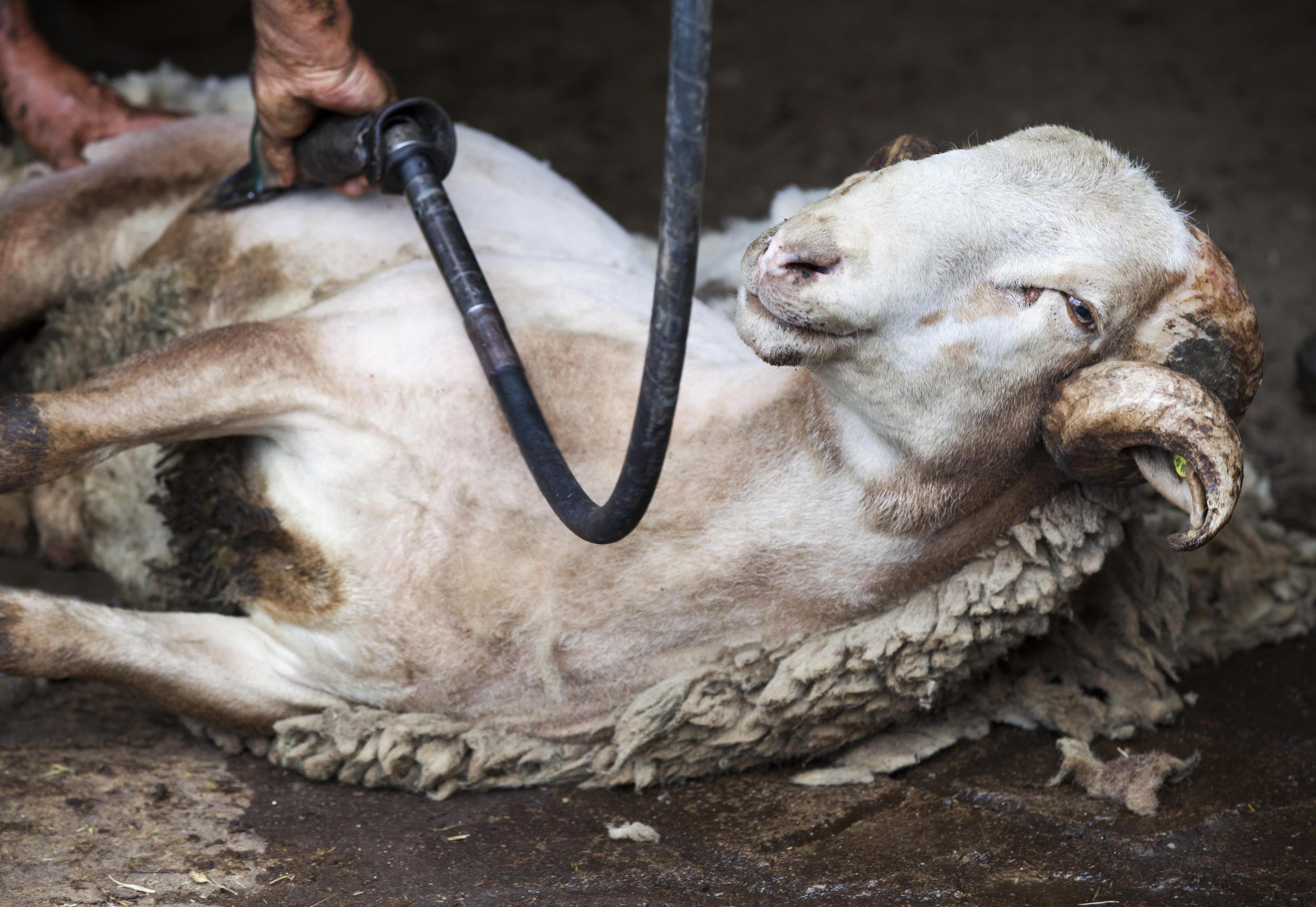
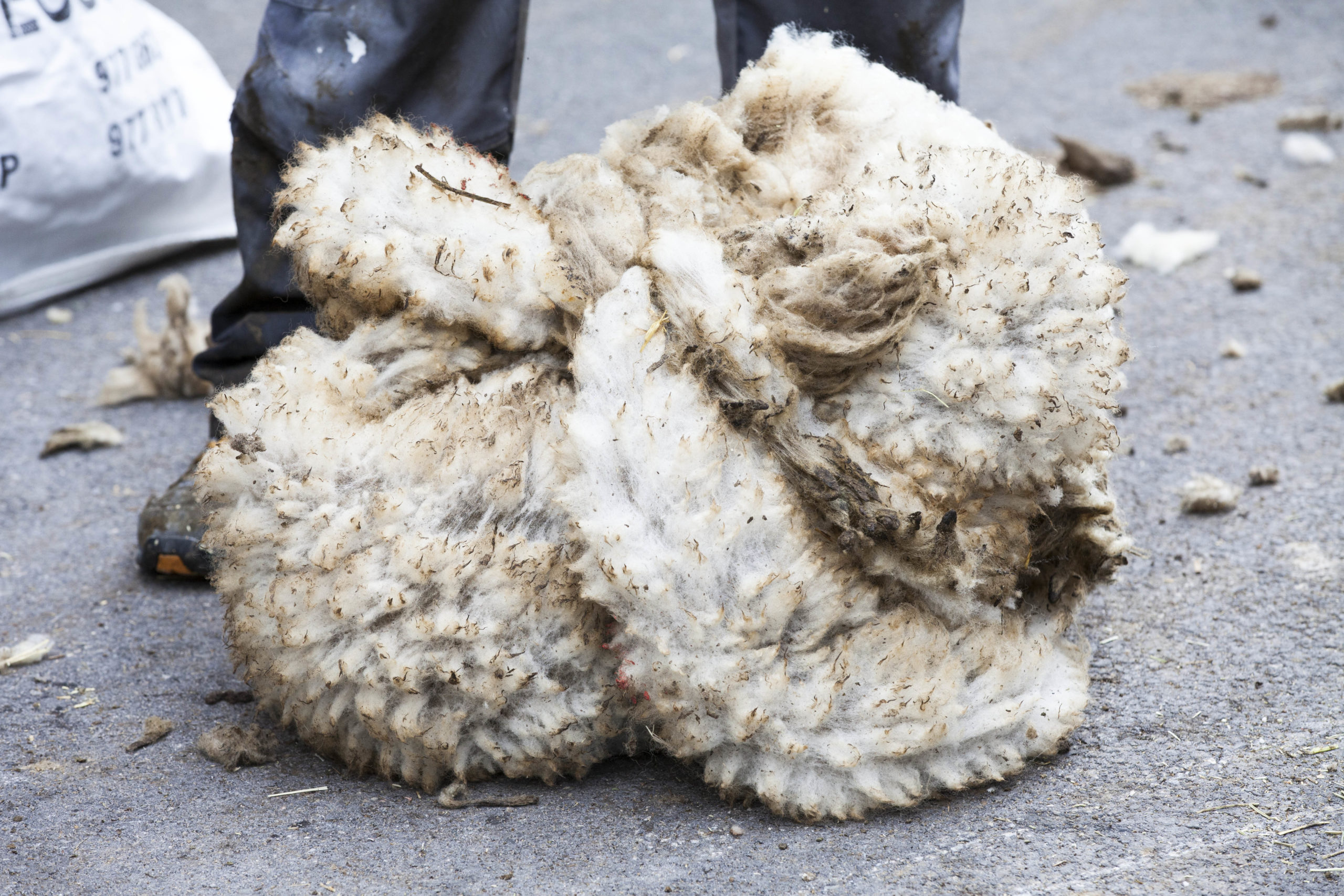
According to the register of the Department of Agriculture of the Government of Andorra (source: www.agricultura.ad) in 2024 there are 2,618 registered sheep in Andorra with a historical downward trend, from the more than 5,000 heads of sheep that existed at the beginning of the 90s. Government financial aid for sheep does not differentiate by breed, as in the case of the brown cow breed, for this reason we do not have global breed data. The wool from all these sheep amounts to approximately 8 tonnes of waste per year. Due to the selection of herds and breeds we currently use a quarter of it.
In Andorra we have a traditional sheep breed that makes up the bulk of the sheep population: the Barbarina. The Xisqueta, Suffolk, and Tarasconese sheep have also been introduced and mixed into some of Andorra's flocks.
Sheep in Andorra are oriented towards meat production and the maintenance of farms to clear meadows and the improvement of meadows of dall in some areas. The wool from all these sheep amounts to approximately 8 tonnes of waste per year.
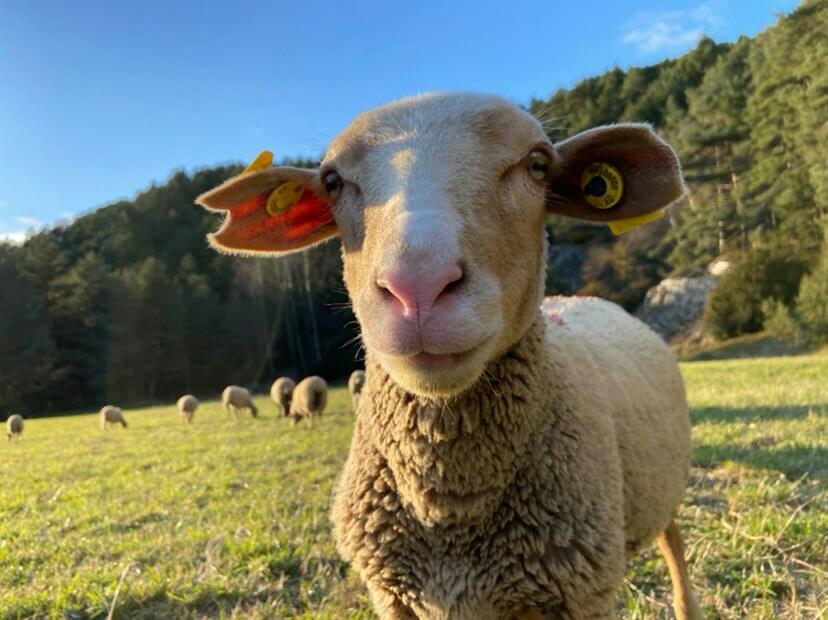
Flocks of sheep also play a key role in conserving biodiversity in natural areas such as the natural parks and the Madriu Valley. Their presence improves forest management and biodiversity. Even the engineering firm Silvagrina has used sheep to restore the terrain at Claror after the ravages of the floods that carried large amounts of clay from Claror down to the water intakes of Escaldes. This is a new technology for mitigating the impacts of floods. Therefore,Sheep play a very important role in maintaining Andorra's landscape.
Characterization of Andorran sheep wool
Barbarina wool is a fine fiber between 25 and 30 microns. It is the wool we select. It is a wool that felts well, which allows us to give a better finish to the fabric, and it has good strength, elasticity, and twist. We can make blankets, curtains, capes, and ponchos. With this wool, we cannot make products that touch the skin directly, such as sweaters, hats, or scarves, because being coarser wools, they itch the skin. To make these products, we would need finer wools, like Merino, which do not exist in the Principality. Suffolk wool is also long and medium-fine. It has more length and a fineness similar to Barbarina wool. We can use it mixed with Barbour wool, and it improves the strength and fineness of the yarn.
We also review the animal welfare, feeding and general treatment of the herds. In the event that we see a stressed and poorly fed flock, we do not take the wool because this is reflected in a more brittle and irregular wool.